
Adobe and DaVinci Resolve Software Updates Canada 2026: What Creators Should Know
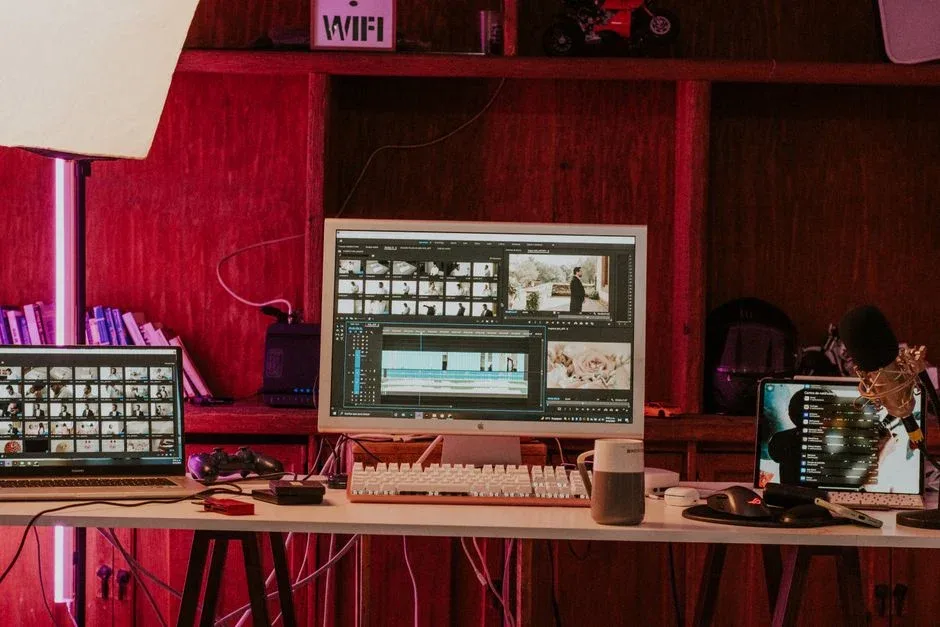
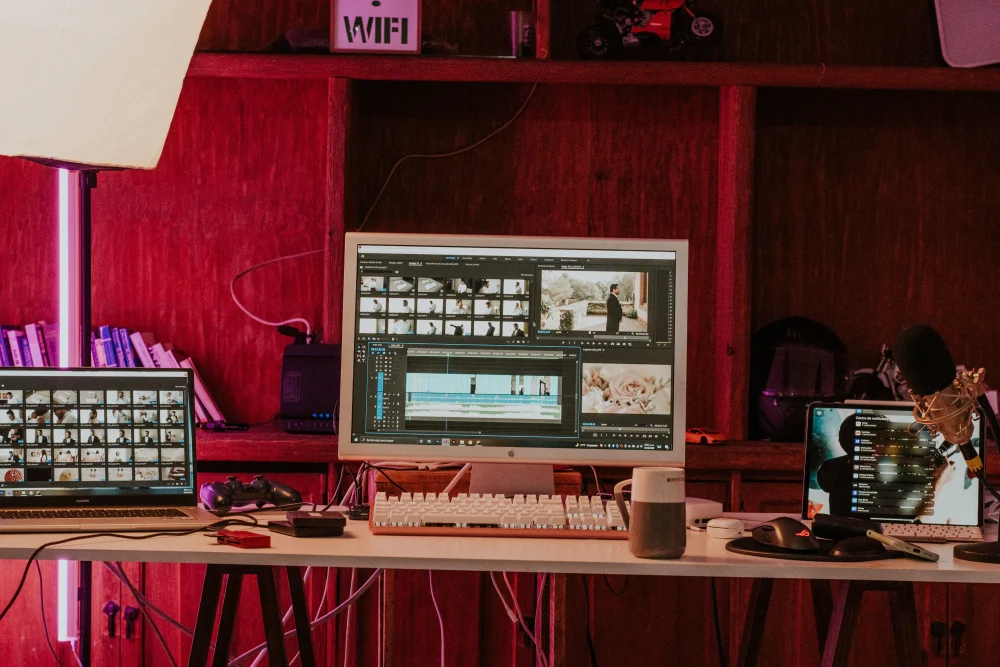
Blackmagic Design and Adobe both made significant moves in creative software during 2026. DaVinci Resolve expanded from video post-production into photo work, Project Server 21 changed the way teams collaborate, and Premiere Pro finally answered with an update that observers say brings it closer to its main rival. For Canadian editors, photographers, and filmmakers, these updates affect everything from daily editing habits to the gear they rent and the way they deliver finished projects.
DaVinci Resolve 21: One Tool for the Entire Creative Workflow
DaVinci Resolve 21 is described by Blackmagic Design as the world's only solution that combines editing, colour correction, visual effects, motion graphics, audio post-production, and now photo work. That is a broad claim, but it reflects the direction the software has taken over the past several releases. Editors in Canada no longer need to export a timeline to a separate application for colour, then send it somewhere else for sound, then rebuild titles in a motion graphics tool. The entire finishing process can happen inside one program.
For the Canadian market, where post-production teams are often smaller than their counterparts in major studios, that consolidation is practical. A freelance editor in Vancouver can take a project from stringout to final master without juggling multiple licences or file formats. A photographer moving into video can learn one interface instead of several. And with photo retouching now part of the conversation, the application is beginning to resemble a full creative suite rather than a video editor.
Professional Editing Tools Built for Speed
Blackmagic has packed Resolve 21 with professional editing tools designed to move quickly. Drag-and-drop editing, automatic trim tools, and AI text-based editing are all part of the core editing page, alongside hundreds of titles, transitions, and effects. For Canadian creators working on commercials, music videos, and short films, these tools reduce the friction between cutting and finishing. AI text-based editing, in particular, has become a talking point among editors because it changes how dialogue-heavy projects are assembled.
Colour Tools That Keep Resolve at the Centre of the Pipeline
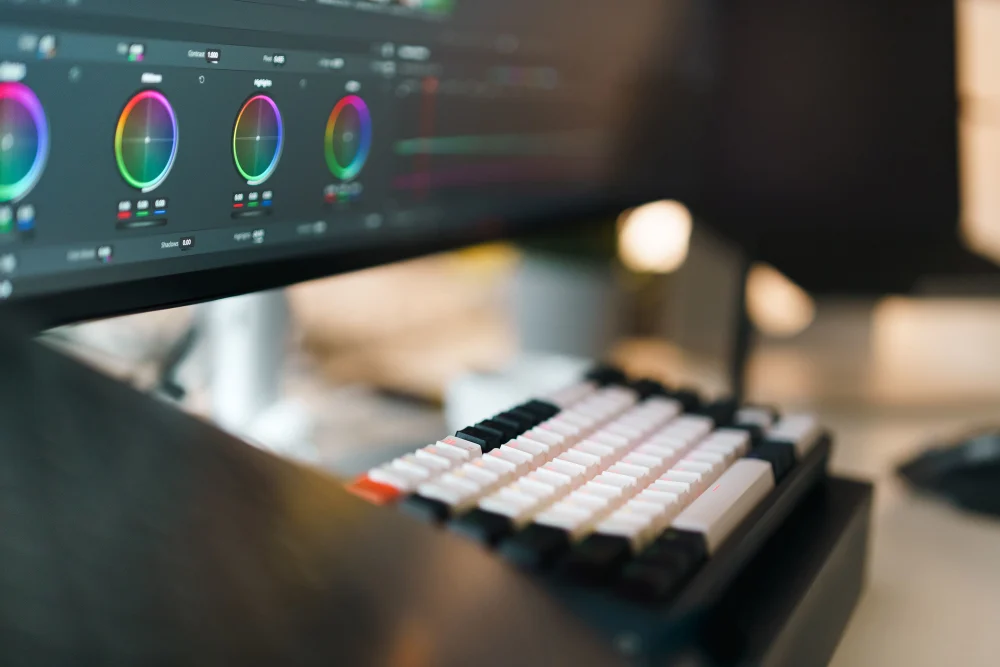
The colour page remains the heart of DaVinci Resolve. It includes hundreds of primary and secondary colour grading tools, plus features like Relight FX, an intuitive object mask, a 3D depth map effect, tracking, and advanced HDR grading. These tools matter to cinematographers and colourists who want to push dynamic range on modern cameras. They also matter to rental platforms like Lens Latitude, because demand for high-dynamic-range cameras often grows when editors have access to more powerful grading tools.
The Latest DaVinci Resolve Updates in 2026
Blackmagic has kept up a steady release cadence through the year, with updates that range from practical performance refinements to major collaborative features.
DaVinci Resolve 21.0.2 Improves Performance
The DaVinci Resolve 21.0.2 update is available for download now. It improves image switching performance when bypassing Color or Fusion, a specific but meaningful refinement. Editors who work in the Cut or Edit page and frequently toggle between nodes and effects will notice fewer hiccups. It is not a headline feature, but it is the kind of polish that makes long editing sessions more comfortable.
Project Server 21 Brings Multi-User Collaboration
Released in June 2026, DaVinci Resolve Project Server 21 adds support for multiple users on different workstations to open and work on the same project. For Canadian production teams with editors in different cities, or for a boutique studio that brings in a freelance colourist for a weekend, this is a major workflow upgrade. Several people can now work on the same timeline from separate machines, a capability that previously required more complex infrastructure.
DaVinci Resolve 20's Legacy and the NAB 2026 Direction
Before the version 21 updates arrived, DaVinci Resolve 20 had already earned recognition as one of the strongest free picks of 2026. A review published on June 5, 2026 described it as putting genuinely professional editing, colour, audio, and visual effects in one free application. For Canadian students, emerging filmmakers, and serious hobbyists, that free version remains an important entry point into professional workflows.
On April 13, 2026, Blackmagic Design held its NAB 2026 update stream, and the presentation gave a clear look at where the company is heading. The stream focused on retouching, photo editing, cataloguing, and video integration. Community reaction was immediate: many creators interpreted the announcement as a sign that DaVinci Resolve is positioning itself as a replacement for dedicated photo applications. The official materials point toward photo workflows becoming a native part of the Resolve ecosystem, which would make the software even more attractive to Canadian photographers who also shoot video.
Adobe Premiere Pro's 2026 Answer
Adobe has not ignored the momentum behind DaVinci Resolve. The Premiere Pro 2026 update has generated significant discussion online, with one prominent video commentary framing it as Premiere Pro finally catching up to DaVinci Resolve. That framing is notable because for years Resolve was seen as the challenger. Now the roles have shifted, and Adobe is the one responding.
At the same time, a broader conversation has emerged around why so many users are deleting Adobe products. The discussions are passionate and the reasons vary. Some creators object to subscription pricing. Others prefer Resolve's integrated toolset or its free tier. Still others have found that their hardware handles Resolve more gracefully. For Canadian editors, the practical question is not which platform is objectively better, but which one fits their clients, their collaborators, and their budget.
Key Differences at a Glance
| Consideration | DaVinci Resolve 21 | Adobe Premiere Pro 2026 |
|---|---|---|
| Integrated tools | Editing, colour, visual effects, motion graphics, audio, and photo work in one application | Observers describe the 2026 update as finally catching up to Resolve |
| Free access | Free version named the strongest free pick of 2026 | Not specified in available sources |
| Multi-user collaboration | Project Server 21 lets multiple users work on the same project from different workstations | Not specified in available sources |
When the two platforms sit side by side, they are moving in opposite directions. Resolve is expanding its scope, adding photo tools and collaboration features. Premiere is focused on closing the feature gap that pushed editors toward Resolve in the first place. Both strategies have merit, and both will appeal to different kinds of Canadian creators.
How Software Updates Shape Canada's Gear Rental Community
Software updates do not exist in a vacuum. When a new version of DaVinci Resolve adds photo cataloguing or advanced HDR grading, creators start thinking about the hardware that feeds those tools. That is where rental marketplaces like Lens Latitude come in. As a peer-to-peer platform for renting and selling cinema and photography gear, Lens Latitude connects local gear owners with renters in Vancouver, Burnaby, and New Westminster. The service is built around the needs of professional photographers, filmmakers, and serious hobbyists, and it operates with community guidelines, insurance verification, and a strong sense of shared purpose.
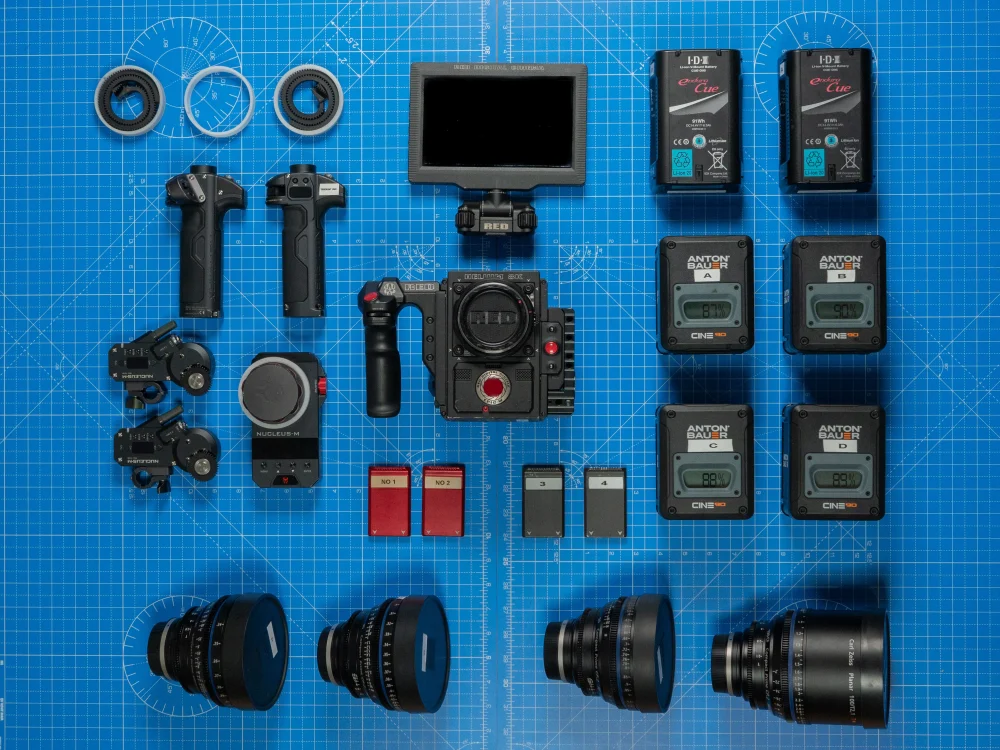
When a big software update lands, the platform tends to see renewed interest in certain gear. New colour tools create demand for cameras with high dynamic range. AI text-based editing makes documentary shoots more efficient, which means crews may book audio equipment and interview kits more often. And because Lens Latitude is the only community offering gear delivery in Canada, last-minute needs are easier to meet.
The platform also supports the creative community beyond rentals. Gear owners can earn rental income between shoots, and the marketplace includes job postings and location rentals. When editors upgrade to collaborative workflows like Project Server 21, they may find themselves working with teams in different cities, which increases the value of reliable, well-maintained rental gear.
Making the Right Software Choice in 2026
For Canadian creators, the software decision comes down to practical considerations. Here are some points to weigh:
- If you want professional tools without a financial commitment, the free version of DaVinci Resolve is one of the strongest options this year.
- If you collaborate with editors and colourists in different locations, Project Server 21 is a compelling reason to build your workflow around Resolve.
- If your clients and agencies already work in Premiere Pro, staying with Adobe may be simpler even if Resolve offers more integrated tools.
- If you want to compare verified reviews and pricing before committing, Capterra Canada's DaVinci Resolve page provides independent research and user feedback for the Canadian market.
Keep in mind that both companies update their software throughout the year. The best approach is to test the free version of Resolve, watch how the Premiere 2026 updates evolve, and talk to the people you actually collaborate with. Their workflow will shape yours.
Frequently Asked Questions
Is DaVinci Resolve free for Canadians in 2026?
DaVinci Resolve 20 was named the strongest free pick of 2026, so the free version continues to offer professional editing, colour, audio, and visual effects tools. Canadian businesses and individual creators can compare pricing and verified reviews on Capterra Canada's DaVinci Resolve page before deciding whether a paid tier is worth it.
What does the DaVinci Resolve Project Server 21 update do?
The June 2026 update adds support for multiple users on different workstations to open and work on the same project. That means an editor, a colourist, and an assistant editor can collaborate on the same timeline from separate machines, which is a significant upgrade for distributed Canadian production teams.
Is DaVinci Resolve becoming a replacement for Photoshop?
The NAB 2026 update stream on April 13, 2026 focused on photo retouching, photo editing, cataloguing, and video integration. Many community members interpreted the announcement as DaVinci Resolve positioning itself as a replacement for dedicated photo tools like Photoshop. Blackmagic has not confirmed a direct replacement, but the direction is clear.
Should Canadian editors switch from Premiere Pro to DaVinci Resolve?
The Premiere 2026 update is being described as finally catching up to DaVinci Resolve, so Adobe is actively closing the gap. The right choice depends on your team, your client expectations, and your budget. DaVinci Resolve's free version is a low-risk way to test the workflow before you commit to a change.