
Experimental Portraiture in Canada: Lessons from Award Winners
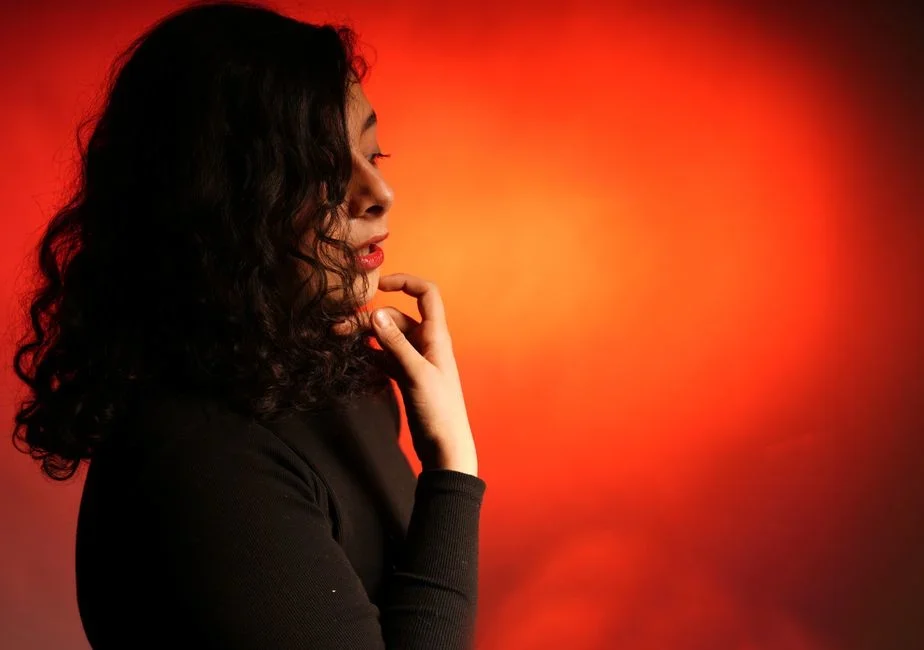
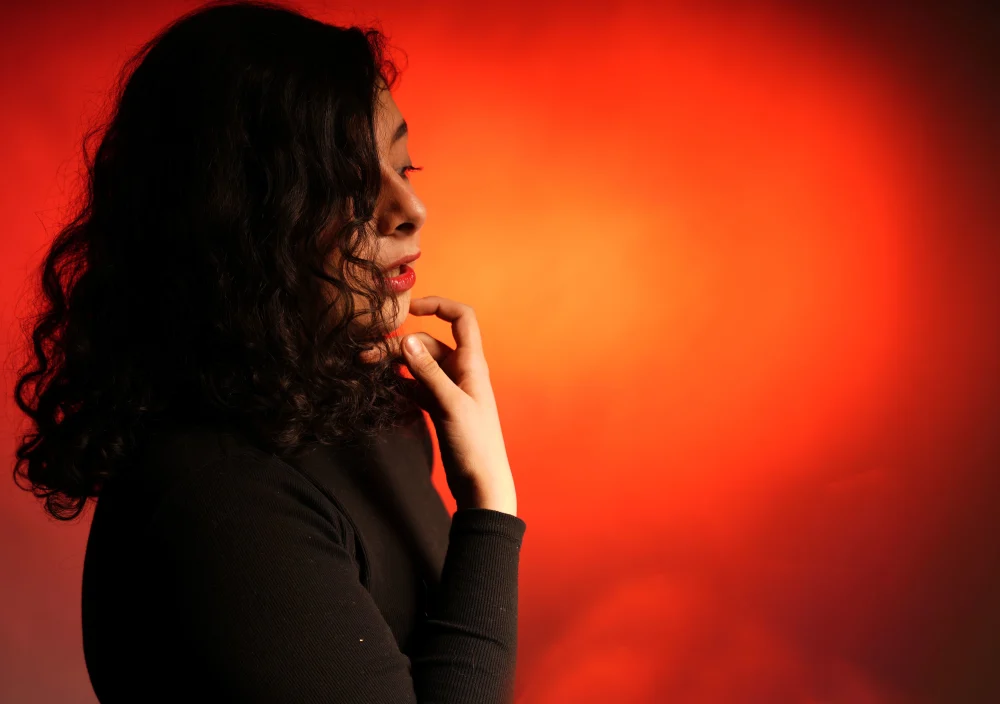
Portrait work rewards artists who take creative risks. In Canada, the national portrait competition has become a proving ground for experimental approaches, and its winners offer practical lessons for photographers at every level. From a layered self portrait to a deeply felt study of a fellow citizen, the work recognized by Canadian portrait awards shows how intuition, experimentation, and genuine human connection can push a portrait beyond a simple likeness. For anyone looking to grow as a portrait photographer, these winners provide a clear map of what Canadian juries value and how to get there.
The Competition That Put Canadian Portraiture on the Map
In 2005, Kaaren and Julian Brown of Kingston, Ontario, donated $20,000 in prize money for a new national portrait competition they had conceived. That competition, now known as the Kingston Prize, has grown into one of the most respected portrait awards in the country. It operates on a biennial schedule, which gives artists two years to prepare work for each edition.
The entry rules are simple but meaningful. The competition is open to any Canadian artist who depicts a Canadian citizen or permanent resident in a portrait based on a real life encounter. That final condition matters for experimental portraiture. Artists cannot invent a subject from imagination alone or work from an image found online. They need a genuine meeting, a conversation, or at least a real connection with the person they portray. This constraint pushes artists to solve creative problems within a human relationship, and the results tend to feel grounded in lived experience.
Jen Mann and the Power of Experimentation
The 2015 edition of the Kingston Prize was won by Jen Mann for a work titled Self Portrait. Mann's artistic process embraces experimentation and intuition, and that approach is visible in the layered, expressive quality of her portrait work. For photographers, her win is a reminder that the most memorable portraits often come from a willingness to try something unfamiliar, even when the outcome is uncertain.
Experimentation can take many forms. It might mean reaching for a different lens than the one you normally use, or shooting from an unexpected angle. It might mean combining photographic images with paint or other media, or letting go of technical perfection in favour of mood and atmosphere. Mann's success suggests that intuition, the instinctive feeling that tells you a portrait is working, deserves as much trust as any technical skill. A well-exposed image that feels flat will never move a viewer the way an imperfect image with emotional charge can.
Atleigh Homma and the 2019 Kingston Prize
In November 2019, Atleigh Homma was named the winner of the $20,000 Kingston Prize for Canadian portraiture. Homma's win reinforced the idea that Canadian portrait juries respond to work that feels personal and grounded. A portrait based on a real life encounter carries an energy that is difficult to fake, and viewers and jurors alike pick up on it.
For photographers, the lesson here is about preparation and follow-through. A winning portrait rarely happens by accident. It comes from building rapport with a subject, understanding the light in a space, and being ready when the decisive moment arrives. Homma's achievement also shows that the prize is not reserved for a single style or medium. The Kingston Prize has recognized a range of approaches over the years, which is encouraging for photographers who want to experiment with their own voice rather than imitate a familiar formula.
What the 2026 Competitions Mean for Canadian Artists
Two national competitions are worth watching for portrait artists. The Kingston Prize is currently inviting submissions for its 2026 edition, and the Portrait Society of Canada is running a separate 2026 Online Portrait Competition. For the online competition, final award winners will be announced on December 20, 2026, and cash awards will be mailed to winners on the same date. The jury for that edition includes Michael John Angel, a portrait artist based in Florence, Italy. Having more than one national opportunity means Canadian portraitists can test their experimental work before different juries and audiences, which is a valuable way to learn what resonates.
Experimental Portraiture Beyond the Kingston Prize
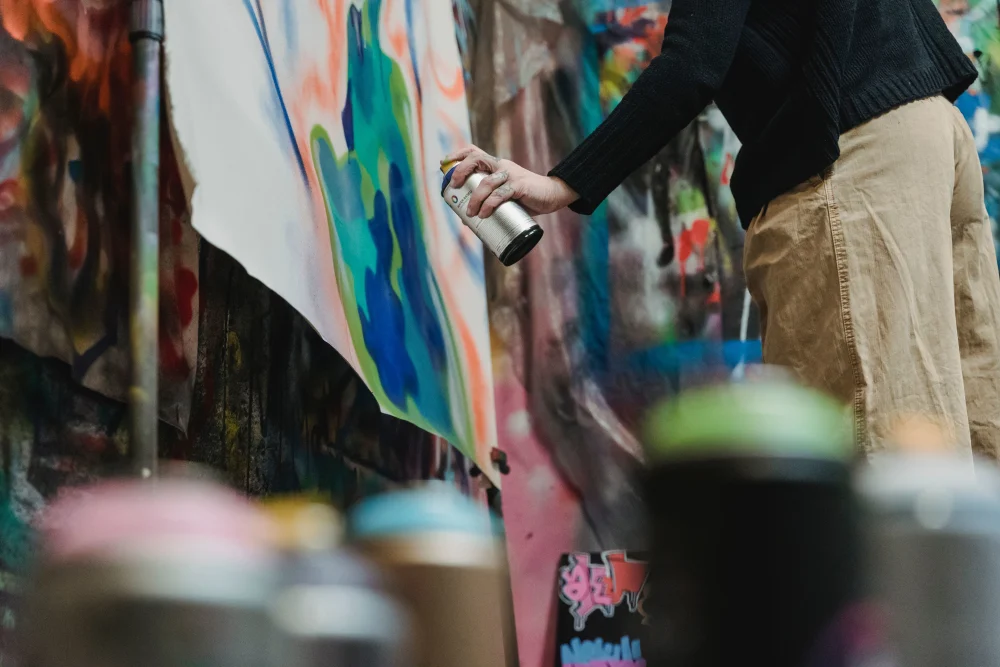
The Kingston Prize is not the only Canadian award that celebrates ambitious portrait work. In 2025, Tania Willard won the $100,000 Sobey Art Award, Canada's most established contemporary visual arts prize, now in its 24th year. The Sobey is broader than portraiture, but Willard's win demonstrates that Canadian juries reward artists who take risks with process, materials, and meaning.
Canadian recognition also has room for disciplined realism. Mahtab Rezvani won the award for best of realism at the Toronto Outdoor Show, a reminder that experimental portraiture does not have to abandon craft. Sometimes the boldest experiment is a return to careful, patient observation, with every detail of the face and its surroundings given full attention.
Audiences have their own voice in these awards. A painting titled Canadien's Gothic, exhibited in Sherwood Park, Alberta, at Gallery @501, won a People's Choice award in the summer of 2014. The playful title suggests a cultural wink, and the People's Choice result shows that portrait audiences respond to humour, reference, and personality, not just technical skill.
Practical Lessons for Photographers
What can a photographer take from the work of Canadian portrait award winners? Several useful ideas come to mind.
- Start with a real encounter. The Kingston Prize demands it, and the winning entries prove the point. A portrait rooted in a genuine meeting carries emotional weight that a screen-based reference cannot match. Take time to talk with your subject before you raise the camera.
- Trust your intuition. Jen Mann's award-winning process is built on experimentation and intuition. When something feels right in the viewfinder, pay attention. When it feels wrong, change something. Photographic rules are tools, not laws.
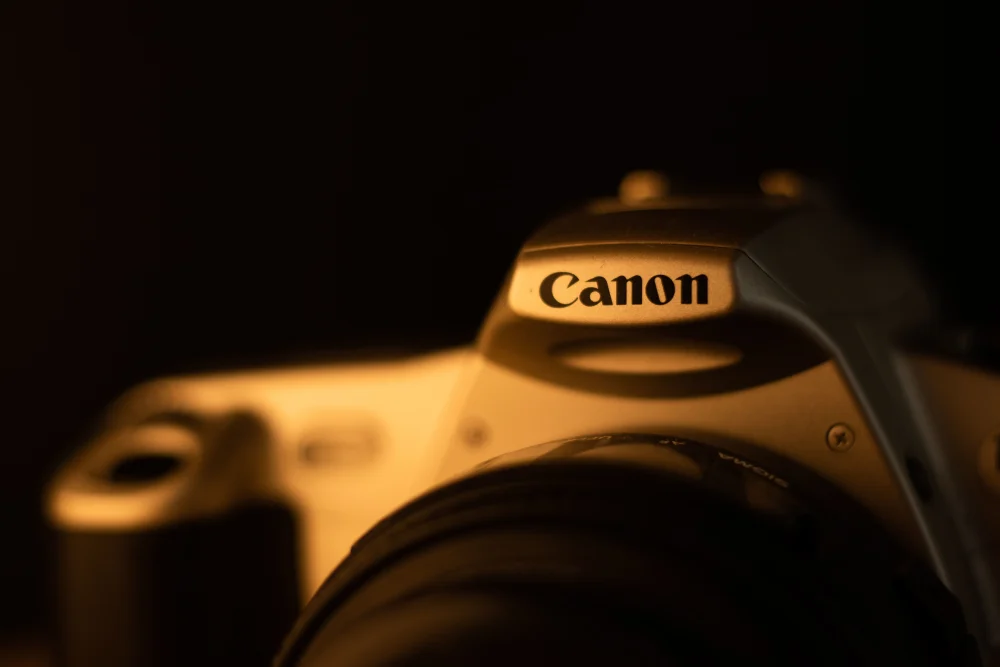
- Change your gear. You do not need to own every camera and lens to try new things. Renting equipment is an affordable way to test a different focal length, a new lighting setup, or a camera body you have never handled. In the Vancouver and Burnaby area, Lens Latitude connects photographers with local gear owners, making it easy to borrow a prime lens or a cinema lens for a weekend portrait session. A change of equipment can change the way you see your subject.
- Think in colour the way a painter does. Portrait painters are trained to notice the colour relationships within a face, from the warmth of the skin to the cool light bouncing off a wall. Photographers can borrow that habit by studying the colour palette of every frame before pressing the shutter.
- Use the competition calendar as motivation. If you want to push your portrait work, enter a competition. Preparing a single portrait for a national jury forces you to make decisions with intention. Even if you do not win, the process will sharpen your instincts.
- Respect your audience. The People's Choice result for Canadien's Gothic is a good reminder that portraiture is communication. A portrait that connects with people does more than show a face. It tells a story, makes a reference, or captures a feeling that others recognize.
Frequently Asked Questions
What is the Kingston Prize?
The Kingston Prize is Canada's national portrait competition. It was conceived by Kaaren and Julian Brown of Kingston, Ontario, who donated $20,000 in 2005 to fund the prize. The competition runs every two years and awards $20,000 to the winning portrait artist.
Who can enter the Kingston Prize?
Any Canadian artist can enter, provided the work depicts a Canadian citizen or permanent resident in a portrait based on a real life encounter. The competition is open to a wide range of styles and media, which makes it an appealing target for photographers exploring experimental portraiture.
Who won the Kingston Prize in 2015 and 2019?
Jen Mann won the 2015 Kingston Prize with a work titled Self Portrait, and her artistic process embraces experimentation and intuition. Atleigh Homma won the 2019 edition of the prize and received the $20,000 award for Canadian portraiture.
When are the next award announcements for Canadian portrait competitions?
The Portrait Society of Canada has announced that final award winners for its 2026 Online Portrait Competition will be announced on December 20, 2026, with cash awards mailed the same day. The Kingston Prize is also accepting entries for its 2026 competition, and artists should check the official Kingston Prize website for the exact deadline.
Experimental portraiture in Canada is in a healthy state. National juries continue to reward work that is personal, intuitive, and willing to take risks, from Jen Mann's layered self portrait to Atleigh Homma's 2019 win and beyond. For photographers, the path forward is clear: build real connections with your subjects, trust your instincts, and let a fresh piece of equipment or a new competition deadline push your practice somewhere it has not been before. The next award-winning portrait might already be waiting in your camera bag.