
How Canadian Filmmakers Use Natural Light for Their Debut Features
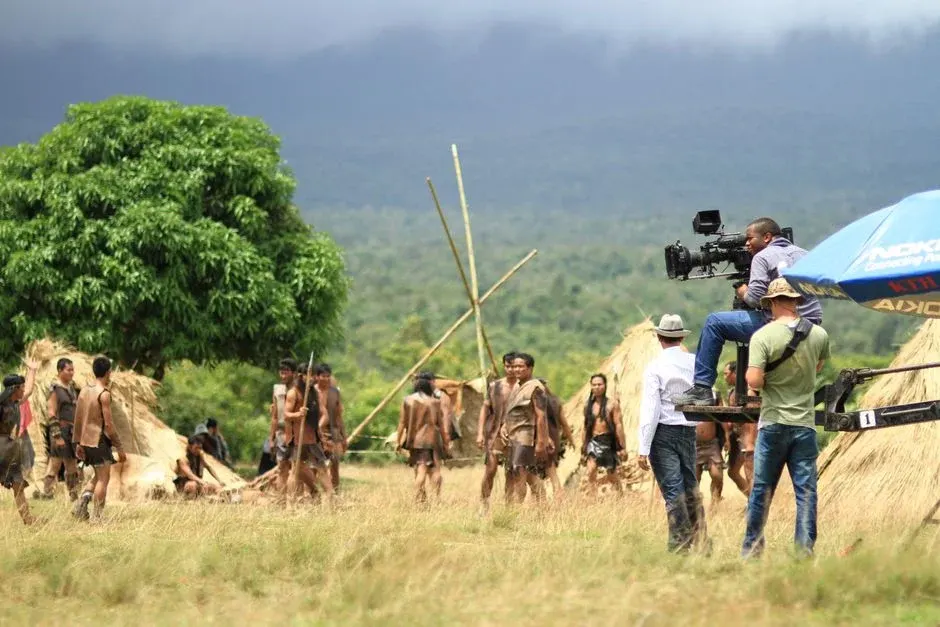
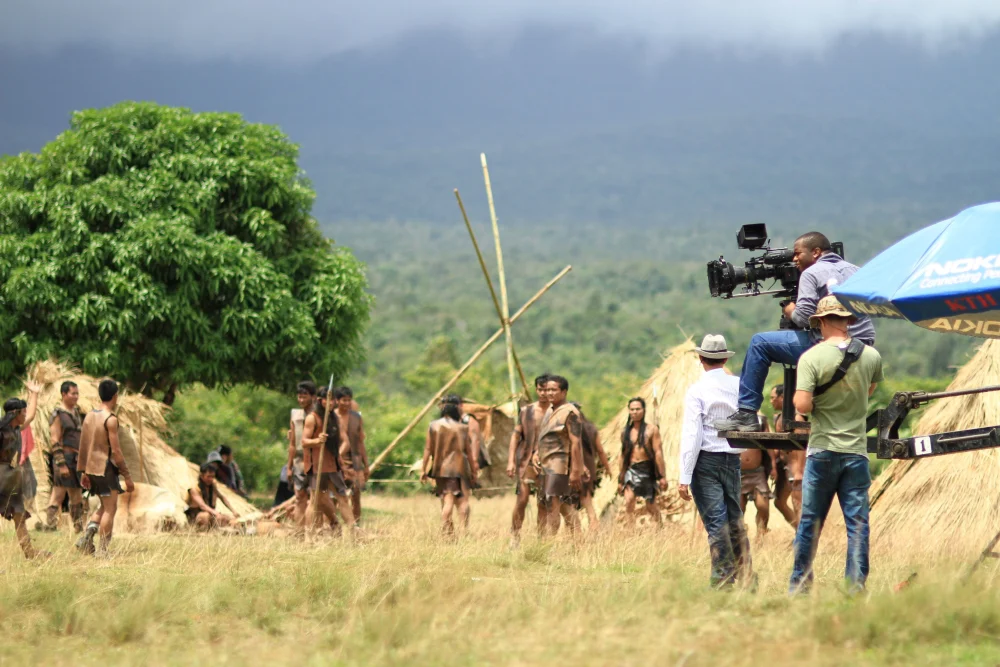
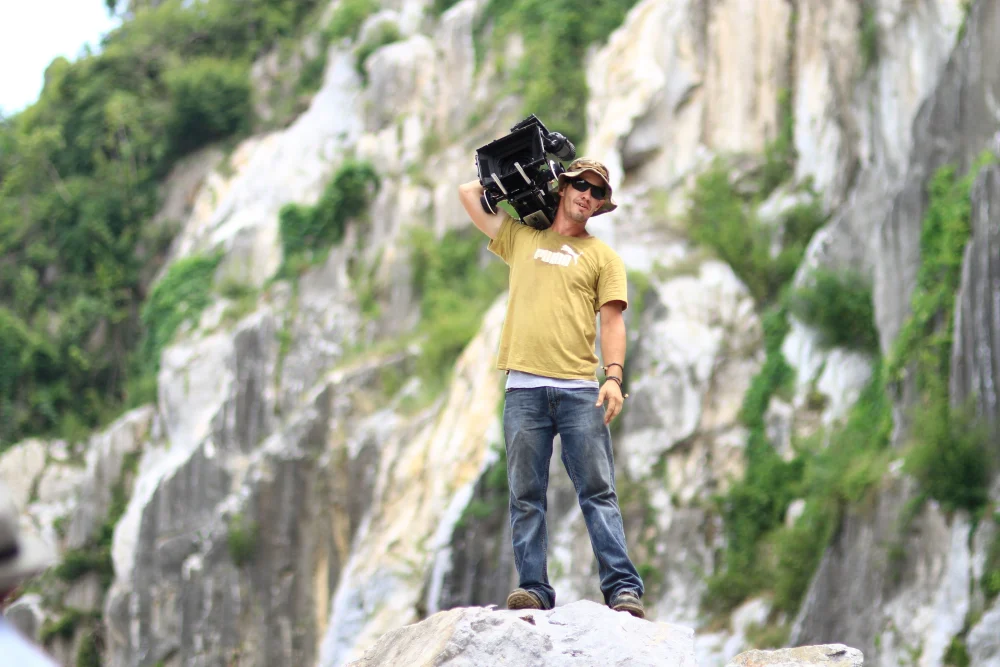
Shooting a debut feature film presents many challenges, and lighting is often one of the most costly and time-consuming aspects of production. For Canadian filmmakers working with limited budgets, natural light offers a creative and practical alternative to artificial setups. By relying on the sun, windows, and available environmental light, directors can achieve a naturalistic look that resonates with audiences. This approach also helps first-time filmmakers focus on storytelling rather than complex lighting rigs.
Canadian filmmakers have a long tradition of using natural light to enhance emotional depth and realism. The technique is not new, but it continues to inspire new generations of directors and cinematographers. Understanding how to work with natural light effectively can make the difference between a flat-looking scene and one that feels alive.
Why Natural Light Appeals to First-Time Filmmakers
Debut features often operate on tight budgets. Renting artificial lighting kits, hiring a gaffer, and spending hours setting up each shot can quickly eat into production funds. Natural light eliminates many of those costs while still allowing for cinematic results. It also encourages filmmakers to work with the environment rather than against it, leading to more spontaneous and authentic performances.
Another advantage is the learning curve. Working with natural light forces a filmmaker to understand the qualities of light: its direction, colour temperature, intensity, and how it changes over time. These skills transfer directly to artificial lighting environments later in a career. Many seasoned cinematographers credit their early natural-light experiences with building the foundational knowledge that serves them on larger projects.
Natural light also lends itself to the intimate, character-driven stories that independent Canadian films are known for. The soft light from an overcast sky or the warm glow of a late afternoon sun can create a mood that feels both genuine and cinematic. For a debut feature, that connection between story and atmosphere is often what critics and festival programmers notice.
Notable Canadian Filmmakers Who Embrace Natural Light
In the Canadian film industry, several directors and cinematographers have become known for their natural-light work. One prominent example is Jean-Marc Vallée, who collaborated with cinematographer Yves Bélanger to shoot a film almost entirely with natural light. Their approach allowed scenes to feel immediate and unpolished in the best sense. While it is not confirmed whether that film was his debut feature, the technique has influenced many Canadian filmmakers.
Another name to watch is Sophy Romvari, whose debut feature is titled Blue Heron. Though specific details about her lighting choices are not widely documented, her work often emphasizes natural, understated visuals. Canadian writer and director Chandler Levack also made news when two of her movies, Mile End Kicks and Roommates, opened on the same day. The Canadian film scene is rich with directors who value authenticity, and natural light plays a central role in that aesthetic.
These filmmakers demonstrate that you do not need a giant lighting package to tell a compelling story. Their work serves as inspiration for anyone preparing their first feature-length project.
Practical Tips for Using Natural Light on Your First Feature
Scout Your Locations Carefully
The success of a natural light shoot depends on the location. Visit potential sets at the same time of day you plan to film. Note where the sun rises and sets, how shadows move, and whether windows provide soft or harsh light. Look for spaces that offer flexibility, such as rooms with multiple windows or shaded outdoor areas.
Understand Time of Day
The golden hour just after sunrise and just before sunset provides warm, diffused light that flatters skin tones and creates gentle shadows. Midday sun can be harsh and unflattering, but it can also be used creatively for high-contrast scenes. Overcast days act like a giant softbox, producing even lighting with low contrast ideal for interviews or emotional scenes.
Use Reflectors and Diffusers
Even with natural light, you can shape it. A simple white foam board or a collapsible reflector can bounce sunlight onto a subject's face, filling in shadows. A diffusion panel placed between the sun and your subject softens hard light. These tools are inexpensive and can be rented from platforms like Lens Latitude, which offers gear rentals in the Vancouver area.
Plan for Changes in Weather and Light
Natural light is unpredictable. Clouds can roll in, or the sun can disappear behind a building. Always have a backup plan, such as a scene that can be shot indoors with available window light, or a simple battery-powered LED panel for fill. Build extra time into your schedule to wait for the right conditions if the look is critical.
Essential Gear for Natural Light Cinematography
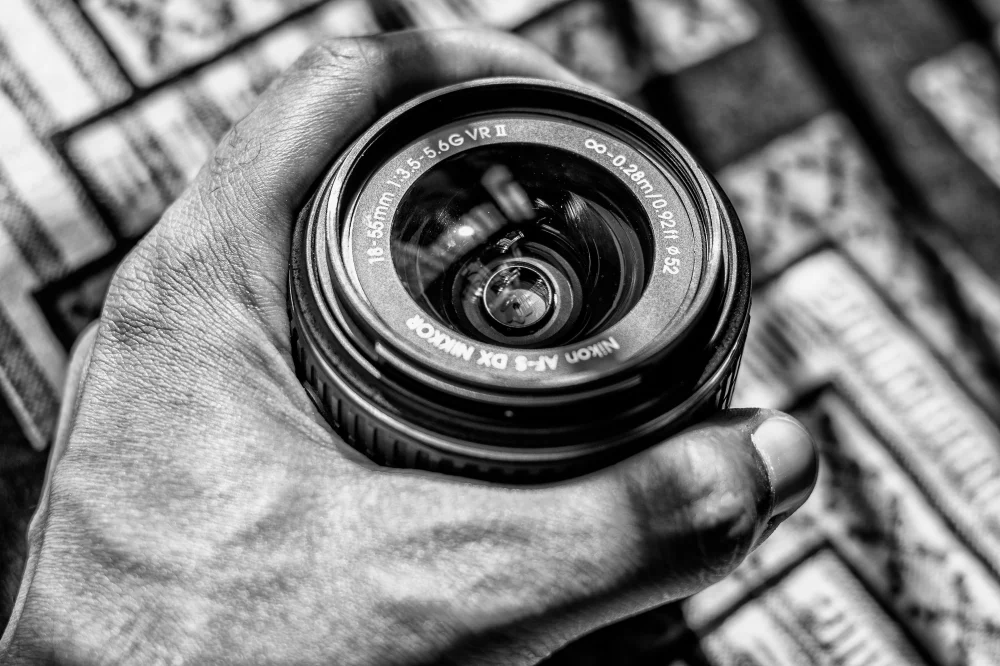
While natural light reduces the need for lighting fixtures, certain gear remains essential. Fast lenses with wide apertures (f/1.4 or f/2) allow more light to hit the sensor, letting you shoot in dim conditions without raising ISO too much. Prime lenses are often preferred for their sharpness and light-gathering ability.
Neutral density (ND) filters are equally important. They let you control the amount of light entering the lens, allowing you to use a wide aperture even in bright sunlight. A matte box and follow focus help you manage lens attachments and pull focus precisely. Audio equipment is also crucial, as natural light shoots often take place in quiet, acoustically rich settings where sound quality matters as much as the image.
Platforms like Lens Latitude connect Canadian filmmakers with gear owners who rent out cameras, lenses, audio equipment, and accessories. This peer-to-peer model makes it easier for debut feature directors to access high-end equipment without large upfront costs. The platform offers delivery across Canada, which is especially helpful for last-minute needs.
Frequently Asked Questions
What is natural light filmmaking?
Natural light filmmaking means capturing a scene using only the light that exists in the environment, such as sunlight, window light, or moonlight. The filmmaker may still use reflectors, diffusers, or flags to shape that light, but no artificial sources like lamps or studio strobes are added.
Can you shoot a debut feature with only natural light?
Yes, many independent filmmakers have done so. Success depends on careful location scouting, scheduling shoots around the best light, and understanding how to adapt when conditions change. It is a proven method for achieving a natural look on a limited budget.
What type of lens works best for natural light?
Fast prime lenses with apertures of f/1.4 or f/2 are ideal because they gather more light. They also allow you to achieve shallow depth of field, separating your subject from the background. Standard zooms with constant f/2.8 apertures are another viable option for flexibility.
How do I start planning a natural light shoot?
Begin by reading guides on natural light cinematography, watch films known for their natural lighting, and visit your locations at different times. Rent basic shaping tools like a reflector and a diffusion panel. Test your camera settings in advance to know your limits.
Natural light remains one of the most accessible and expressive tools for Canadian filmmakers making their first feature. By studying the work of established directors, investing in the right gear, and planning around the sun, you can create a film that feels honest and visually striking. Whether you are based in Vancouver, Burnaby, or elsewhere, platforms like Lens Latitude make it easier to get the equipment you need to bring your natural-light vision to life.