
How to Maintain Your Gear for Consistent Rental Income
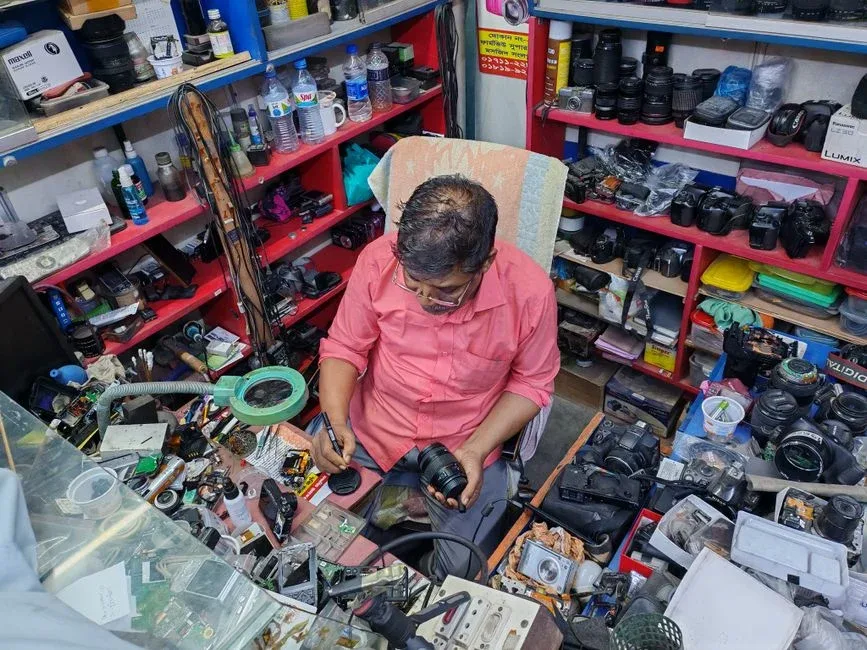
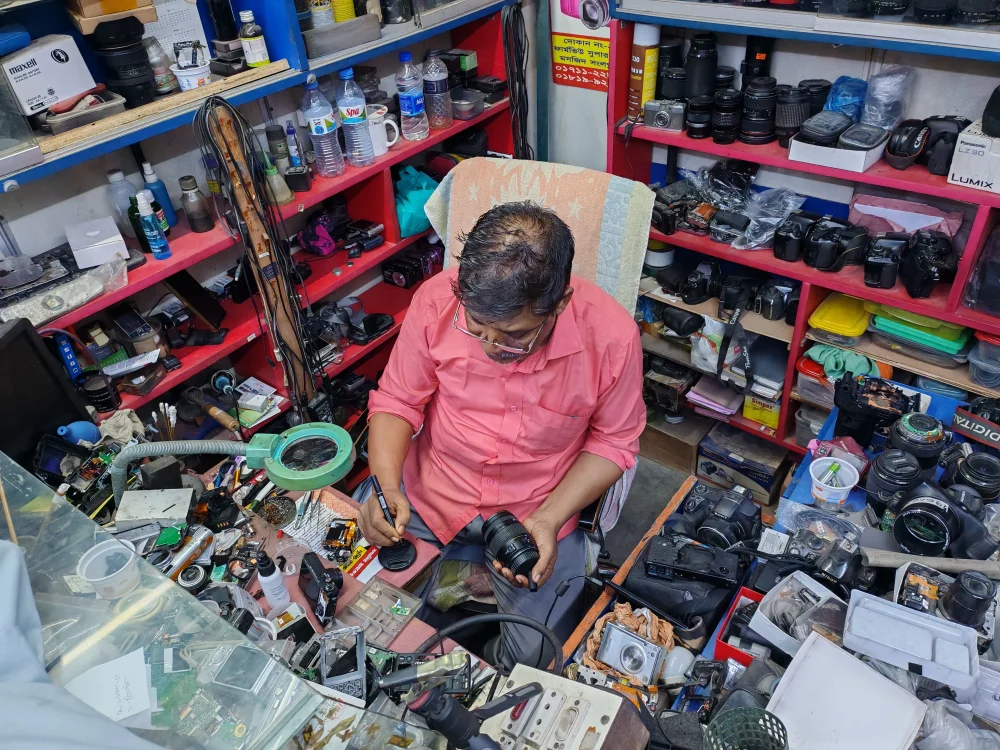
When you rent out your camera bodies, lenses, and accessories through a platform like Lens Latitude, the condition of your gear directly determines how much income you can earn. A scratched filter, a sticky aperture ring, or a sensor with dust spots can mean lost bookings, negative reviews, and expensive emergency repairs. Regular maintenance is not just about protecting your equipment. It is about protecting your rental income stream. By staying ahead of small issues, keeping detailed records, and understanding how the Canada Revenue Agency treats your repair costs, you can keep your gear working and your earnings consistent all year round.
Why Regular Maintenance Directly Affects Your Rental Income
Renters expect gear that performs reliably on set or on location. A lens that arrives with haze or a camera body with a sluggish shutter can derail a production and damage your reputation as a host. Consistent maintenance helps you avoid these problems. Gear that is cleaned regularly, stored properly, and serviced before problems arise will command better rates and attract repeat customers. On a peer to peer marketplace, reviews matter. Renters can see your listing history, and a track record of well maintained equipment builds trust. That trust translates into more bookings and steady rental income between your own shoots.
Neglecting maintenance creates hidden costs. A minor repair that costs a small amount today can become a major repair that costs much more if left unattended. Worse, if gear fails during a rental, you may need to refund the booking, lose future business from that renter, and pay for expedited repairs. The time your equipment spends in the shop is time it cannot earn. A proactive maintenance approach reduces downtime and keeps your inventory available for the next rental.
Building a Practical Maintenance Routine for Your Gear
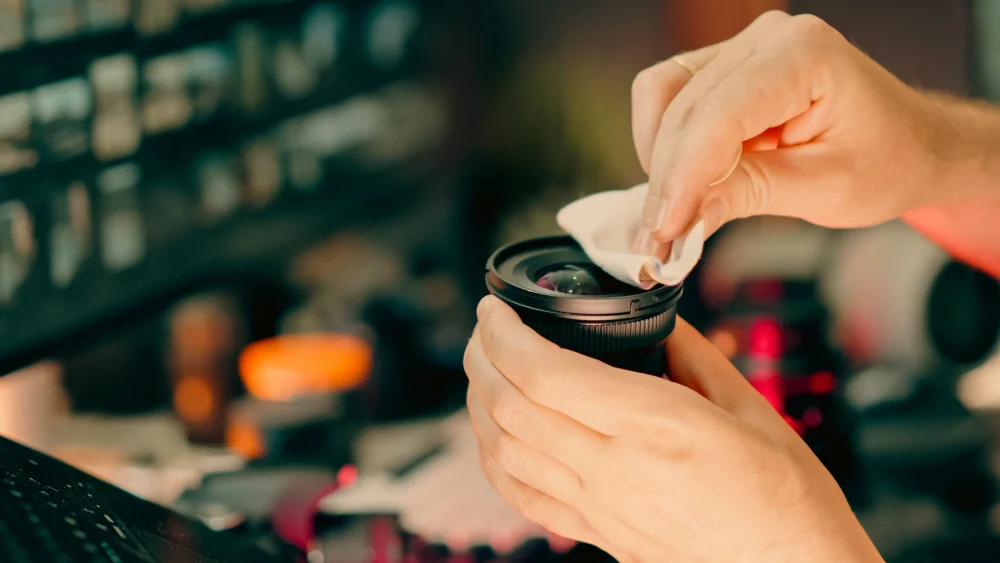
A simple routine can extend the life of your equipment and keep it ready for renters at short notice. Start with visual inspections after every rental. Check lens glass for scratches, coatings for delamination, and housing for dents or cracks. Test all moving parts: zoom rings, focus rings, aperture blades, and switches should move smoothly without resistance. Clean lens elements and camera sensors using proper tools such as microfiber cloths, sensor swabs, and blowers. Avoid canned air, which can deposit moisture or propellant residue on delicate surfaces.
Store your gear in a clean, dry environment with stable temperature and humidity. Use padded cases and silica gel packs to absorb moisture. For long term storage, remove batteries to prevent corrosion and store lenses with caps on both ends. Rotate the gear you own so that no single item sits unused for months at a time. If you have multiple copies of popular lenses, alternate which ones you list for rent to spread the wear evenly.
Schedule periodic professional servicing based on usage, not just calendar time. A cinema zoom lens used heavily may need a factory service every year, while a prime lens used occasionally may go several years between services. Keep a log of each piece of gear, noting when it was serviced, what work was done, and what the next service interval should be. This log is also useful when you prepare your tax records at the end of the year.
Understanding the Tax Side of Repairs and Maintenance
The Canada Revenue Agency distinguishes between two types of expenses: current expenses and capital expenses. This distinction matters because it affects how and when you can deduct the cost of maintaining your rental gear. According to the CRA, current expenses cover minor repairs and routine maintenance that restore the equipment to its existing condition. These costs are fully deductible in the year you incur them. Examples include cleaning a sensor, replacing a worn lens mount screw, or patching a small tear in a camera bag.
Capital expenses, on the other hand, are improvements that extend the useful life of the equipment or increase its value above its original condition. These costs cannot be deducted in full in a single year. Instead, you claim them over multiple years through Capital Cost Allowance (CCA). The CRA also notes that equipment used for rental operations, such as cameras, lenses, and maintenance equipment, is treated as a capital expense subject to CCA. This means that if you buy a new lens specifically to add to your rental inventory, you depreciate the cost over time rather than writing it off immediately.
The line between a repair and an improvement can be subtle. If you replace a broken rear lens element with an identical OEM part, that is likely a current expense. If you upgrade that element to a higher grade coating that improves performance, that is a capital expense. Keep receipts and notes describing the work done. Your description helps you and your accountant classify the expense correctly when you file your taxes.
Other Deductible Expenses That Support Your Rental Operations
Beyond repairs and maintenance, several other costs related to your rental business can be deducted. Insurance premiums you pay to cover your gear while it is in your possession or rented out are deductible. If you pay a multi year premium, you must deduct it proportionally each year, not all at once. Advertising costs to attract renters, including listing fees on a marketplace like Lens Latitude or social media promotions, are also deductible. Finder fees you pay to bring in new customers fall into this category as well.
Interest on money you borrowed to buy gear for your rental inventory is deductible. This can include interest on a line of credit used to purchase a new camera body or a set of cinema lenses. However, interest on money borrowed for personal use is not deductible. If you refinance a loan and use part of the funds for personal expenses, only the interest on the portion used for rental gear qualifies. Loan fees such as appraisal costs or brokerage fees are amortized over five years, and prepayment penalties are prorated over the remaining loan term.
Legal and accounting fees for preparing rental agreements or collecting overdue payments are deductible. If you pay a lawyer to draft a rental contract for your gear, that cost counts as a current expense. Fees to buy gear, such as legal costs to review a purchase agreement, must be added to the cost of the equipment and depreciated through CCA. Salaries and wages you pay to employees, such as someone who helps inspect and clean gear after returns, are deductible. The value of your own labour for repairs is not deductible, so track any payments you make to helpers or contractors.
Common Pitfalls That Can Reduce Your Rental Income
One of the most common mistakes gear owners make is confusing repairs with improvements. If you classify an upgrade as a repair and deduct the full cost in one year, the CRA may reassess your return and disallow the deduction. Keep clear documentation of every expense. A simple spreadsheet with columns for date, item, cost, description of work, and whether it was a repair or an improvement can save time and stress at tax time.
Another pitfall is forgetting to track smaller expenses. Cleaning supplies, shipping costs for sending gear to a repair shop, and packaging materials for safe transit all add up. These small out of pocket costs are deductible if they are directly related to your rental business. Do not let them go unrecorded.
Finally, avoid the temptation to skip maintenance to save money in the short term. A lens that goes without a needed cleaning today may develop fungus that ruins the coating permanently. A camera body with a worn shutter mechanism may fail during a rental, costing you the booking fee, a refund, and the renter s trust. Consistent maintenance is not an expense. It is an investment in your ability to earn rental income month after month.
Frequently Asked Questions
How often should I have my camera gear professionally serviced?
The frequency depends on how heavily each item is used. A cinema zoom lens used on multiple productions each month may benefit from an annual factory service. A prime lens used a few times a year can often go two to three years between full services. Check the manufacturer s recommendations for your specific gear and adjust based on the wear you observe during your own inspections.
Can I deduct the full cost of a new lens I buy for my rental inventory in one year?
No. Equipment you buy to use in your rental business is considered a capital expense, not a current expense. You must claim the cost over multiple years through Capital Cost Allowance (CCA). Routine repairs and maintenance on that lens, however, can be deducted in full in the year you pay for them.
What records should I keep for tax purposes related to gear maintenance?
Keep receipts, invoices, and bank statements for every expense. Also record a brief description of the work done, the date, the equipment involved, and whether the work was a repair or an improvement. A maintenance log showing service dates and intervals is helpful. Store these records for at least six years after you file the related tax return, as the CRA may ask to review them.
Are shipping costs to send gear to a repair shop deductible?
Yes, shipping costs directly related to maintaining or repairing your rental gear are deductible as a current expense. This includes courier fees, insurance for the shipment, and packaging materials. Keep the receipts and note the purpose of the shipment in your records.