
Monetize Film Gear Vancouver: Smart Strategies for 2026
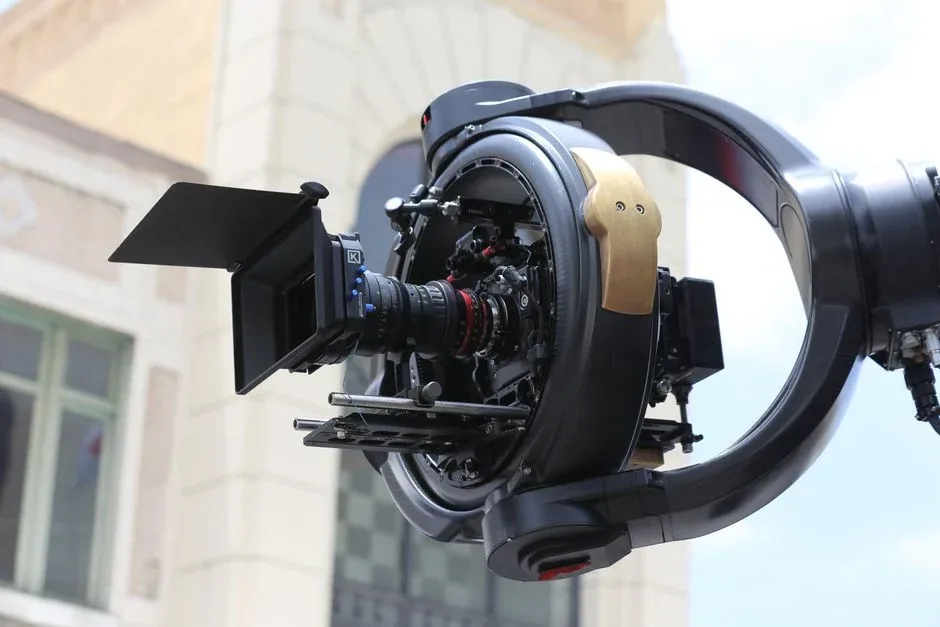
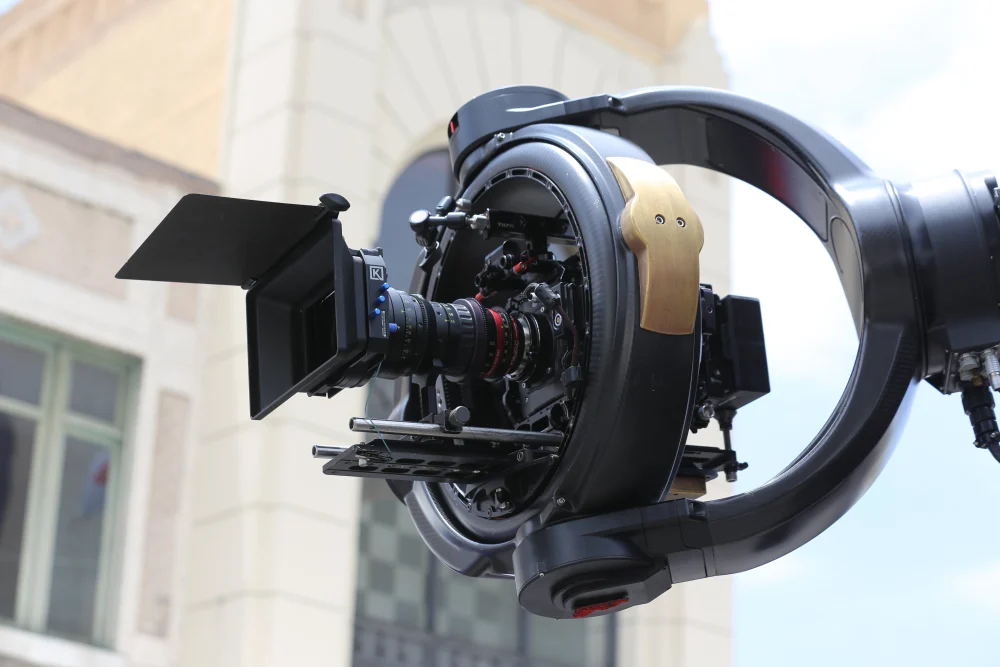
Vancouver supports one of the busiest production communities in Canada, and that activity creates steady demand for cinema cameras, lenses, audio gear and grip accessories. Heading into 2026, the need for flexible, locally available equipment shows no signs of slowing. If you own gear that spends most of its time in a case, that equipment is a working asset. Listing it for rent can turn downtime into income, and the local market is strong enough to support independent owners alongside established rental houses.
Local businesses such as Filmgear Canada, GearBase and Prime Gear serve that same community, which confirms how much equipment moves through Vancouver every week. Filmgear Canada operates a showroom and warehouse at 945 E Cordova St #108, carries brands like Aputure, DJI, SmallRig and Tilta, and rents professional gear Monday to Saturday. GearBase rents cameras, audio and stabilizers near Waterfront Station to photographers, indie films and corporate producers. Prime Gear is a Canadian owned and operated boutique that provides sales, service and consulting for cinema, video, audio and lighting brands. These businesses define the market, and they prove that renters are looking for gear every day.
Why Monetize Gear Instead of Leaving It Idle
Camera bodies and lenses lose value as newer models appear. Renting them out while they still have working life gives you a return on the money you already spent. The sensible approach is to keep using your gear for your own productions and rent it during the gaps. Many crew members build a second income this way, because the earning potential goes well beyond the production pay they receive on a job. A cinema lens that sits for three weeks can generate meaningful income during those quiet stretches.
- Your equipment already exists, so rental income does not require new inventory.
- Local demand is constant because productions, commercials and content creators need short-term gear.
- Renting lets you keep the kit you rely on instead of selling it and losing access.
- A clean rental history can make your gear more attractive to future buyers if you ever decide to sell.
The goal is not to replace your primary work but to create a second revenue stream from assets you already own. Even a modest number of bookings per month adds up, especially when the same camera package gets rented to several different productions in that time.
Understand What Renters in Vancouver Want
Renters look for dependable equipment that performs on real shoots. The most requested categories in the local market include cinema cameras, cinema lenses from brands like Zeiss, audio kits from Sennheiser, RODE and ZOOM, and the small accessories that every set needs, such as matte boxes, ND filters, follow focuses and batteries. These items stay in rotation because they are essential to productions yet too expensive for many independent filmmakers to buy outright.
| Category | Examples | Why it rents well |
|---|---|---|
| Cinema cameras | Canon EOS 5D Mark IV, other cinema bodies | Versatile across many shoot types |
| Cinema lenses | Zeiss zooms and primes | Premium image quality and reliable demand |
| Audio gear | Sennheiser mics, RODE, ZOOM recorders, boom poles | Needed for every production with dialogue |
| Accessories | Matte boxes, ND filters, follow focuses, batteries | Affordable to own and constantly requested |
Vancouver renters range from independent filmmakers to corporate and commercial producers, and each group has different needs. A corporate shoot may want a simple camera and microphone kit, while an indie film might book a full set of Zeiss primes, an audio kit and a follow focus for a week. Understanding that mix helps you tailor your listings to the requests that actually arrive.
Monetization Strategies That Work in 2026
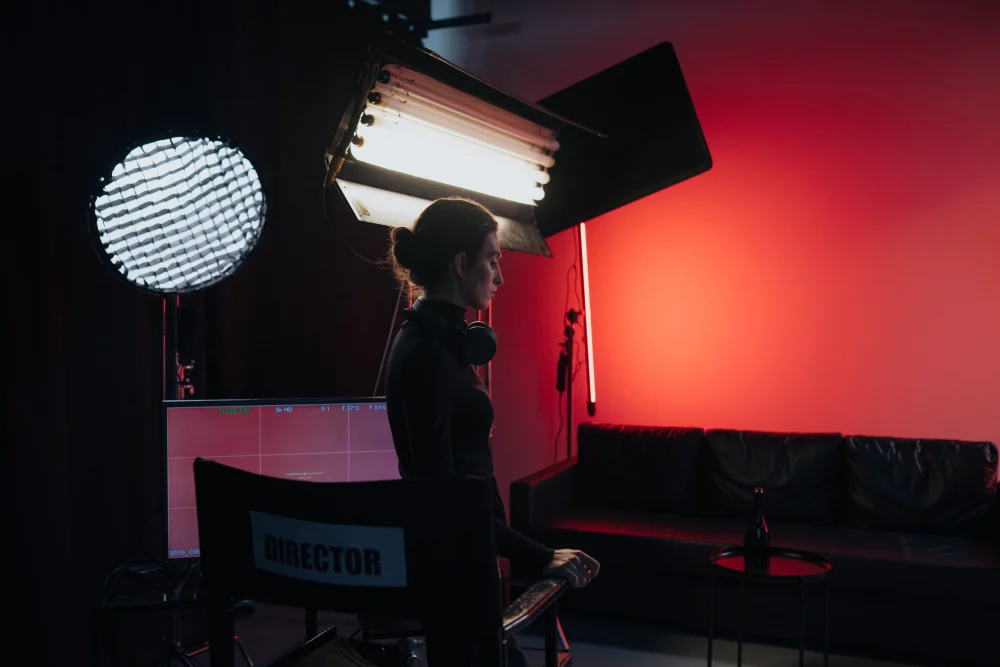
There is no single correct way to monetize film gear in Vancouver. Most successful owners combine a few proven approaches, starting with the platforms and habits that get equipment booked quickly.
List Your Equipment on a Peer-to-Peer Marketplace
The simplest way to start earning is to list your gear on a platform built for local bookings. Lens Latitude is a peer-to-peer marketplace that connects gear owners with renters across Canada, with a primary focus on the Vancouver, Burnaby and New Westminster area. The platform makes the process easier, faster and more accessible than working through a traditional rental house. You control your own listings, pricing and availability instead of waiting for a shop to offer you a consignment deal.
Rent Between Production Shoots
Your best earning windows are the gaps between productions. Crew members can list their own gear and earn rental income during downtime, which means the same kit that supports your day job can generate money while you wait for the next call. This approach suits camera operators, gaffers, sound recorders and anyone else who owns professional tools they use on set.
Bundle Accessories to Raise the Rental Value
A camera body alone rents for one price, but a package with lenses, a matte box, ND filters and batteries is worth more and attracts renters who want a complete kit. Build bundles that match what a small production would need for a one-day shoot. Audio owners can do the same by pairing microphones, recorders and a boom pole in a single listing.
Offer Delivery for Last-Minute Bookings
Rental decisions are often made at the last minute. Lens Latitude is the only community in Canada offering gear delivery, and that convenience is a real advantage. Renters choose the option that saves them time, so a host who can deliver a lens or audio kit across Vancouver will win bookings that other owners miss. Delivery also opens up rentals to clients who cannot drive across town to pick up equipment.
Set a Fair and Competitive Rate
Pricing is part art and part research. Look at what comparable items rent for on local platforms and at houses like GearBase, then set a rate that reflects your gear's condition and the extras you include. Daily, weekend and weekly rates give renters flexibility for different shoot lengths. Keep your calendar accurate so a booking never conflicts with a job you have already accepted.
Sell the Gear You No Longer Use
Monetizing gear does not always mean renting it. The same marketplace can connect you with buyers when you are ready to upgrade. Selling older lenses and accessories while they still have market value frees up cash for newer equipment that rents at a higher rate. Use clear photos, be honest about condition, and price items against current local listings.

How to Build a Reliable Rental Setup
A few habits separate successful hosts from casual listers. Keep your equipment clean and tested between rentals. Write clear listings that describe condition, included items and pickup or delivery terms. Respond quickly to booking requests, especially for same-week shoots. A host with a fast, professional reputation gets repeat bookings, and repeat renters are easier to work with than strangers every time.
- Photograph every item before it leaves your hands.
- Note the condition of each piece in your listing so renters know what to expect.
- Confirm pickup and return times in writing.
- Inspect equipment when it comes back and again before it goes out.
Protect Your Gear and Your Income
You should never hand expensive equipment to someone without some form of protection. Peer-to-peer marketplaces handle much of this for you. Lens Latitude has strong community guidelines and insurance verification, which means hosts and renters operate inside a trusted framework. That structure protects your income by reducing the risk of damage, loss or dispute.
Beyond platform protection, set your own standards. Rent to verified users, communicate clearly and keep records of every transaction. If you are renting to a production company, ask about their insurance certificate. If you are renting to an individual, review their history on the platform. Good habits cost nothing and make a meaningful difference.
When you want to expand your inventory, local suppliers can help. Filmgear Canada advertises a limited time 0% financing option for six months, which can make it easier to add a lens or lighting kit to your rental pool. The same store offers free Canada shipping on orders over $199.99 per its posted shipping policy, which is useful if you want gear delivered to your door before listing it.
Frequently Asked Questions
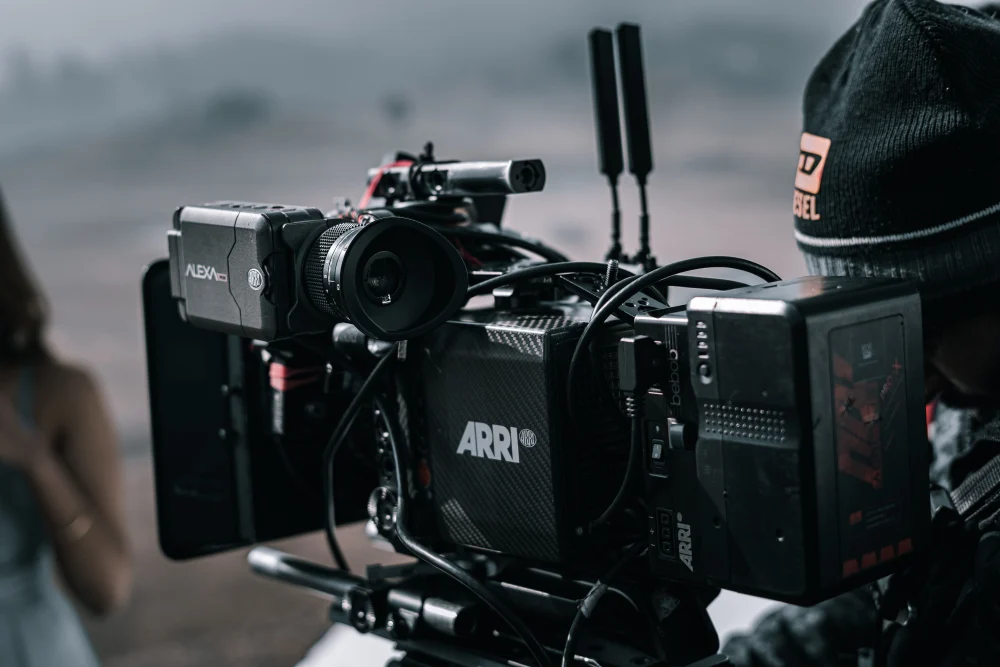
New hosts usually have the same questions before they list their first item. Here are direct answers based on how the Vancouver market works.
How much can I earn renting out my film gear in Vancouver?
Earnings depend on the gear, its condition and how often it is booked. Cinema lenses and audio kits in good condition tend to generate steady requests because productions rent them daily or weekly. Hosts who bundle accessories, offer delivery and respond quickly usually book more often than hosts who list a single item with limited availability.
What gear should I list first?
Start with items that have the highest local demand. The Vancouver market consistently needs cinema lenses, professional microphones, recorders, matte boxes, ND filters, follow focuses and reliable camera batteries. If you own a Canon EOS 5D Mark IV or Zeiss glass, those are strong first listings. Smaller audio kits also work well because they suit indie films and content creators.
Is it safe to rent gear to people I do not know?
Marketplaces with strong guardrails make the process far safer. Lens Latitude requires insurance verification and enforces community guidelines, so hosts can confirm that renters meet a baseline standard. You can also protect yourself by communicating before the booking, confirming pickup and return times, and inspecting equipment after each rental. Trust is built through the platform, and good habits keep it there.
Do I need professional-grade equipment to start?
No. Accessories and audio gear are often the easiest items to rent because they are affordable to own and always in demand. A solid starter kit could include a RODE microphone, a ZOOM recorder, a boom pole and a set of ND filters. These items appeal to independent filmmakers and content creators who do not need a full cinema camera package.